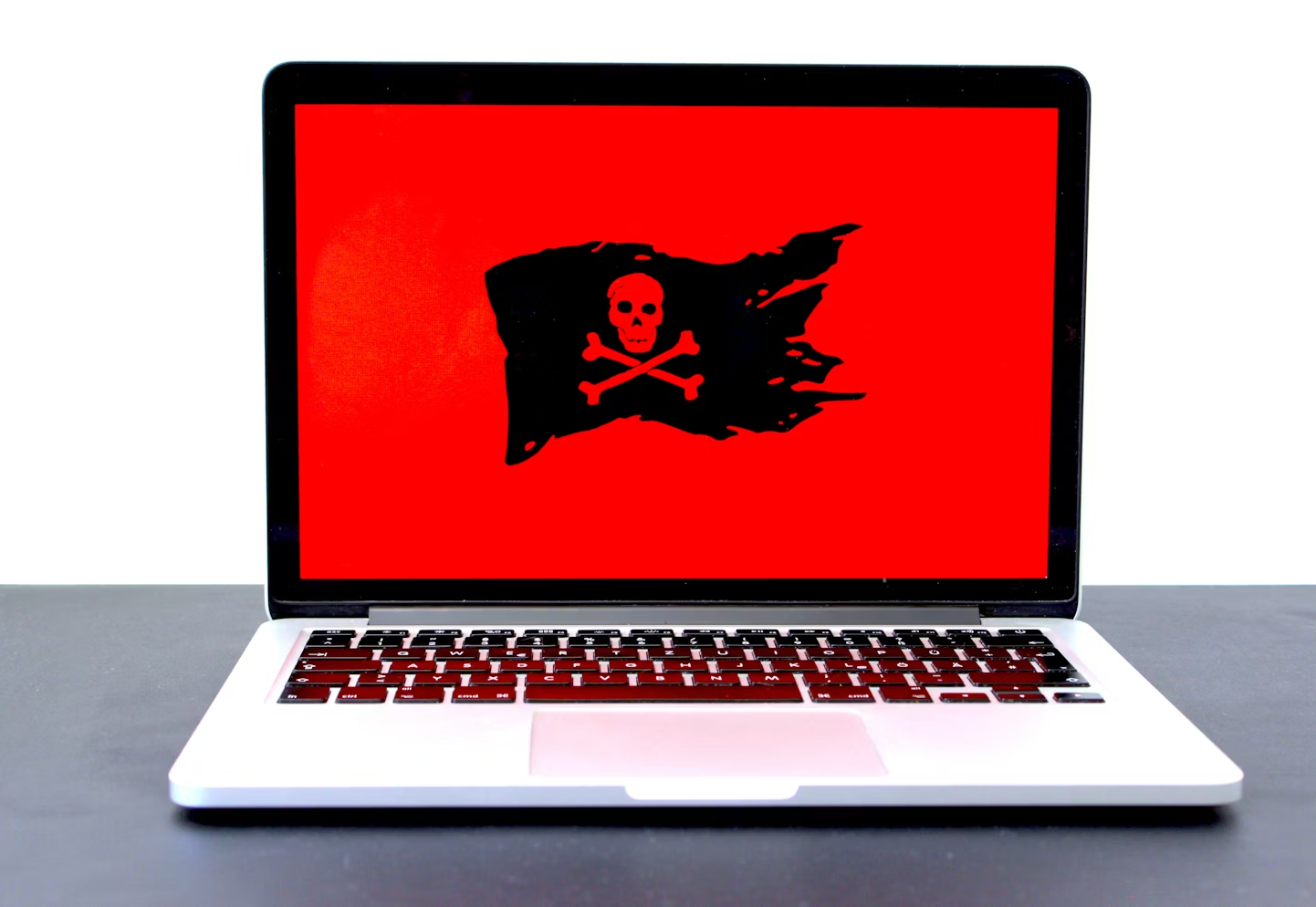
Ransomware hasn’t gone anywhere in 2026. If anything, it’s become sharper, more aggressive and more profitable. Attackers aren’t content with just locking your files and asking for a ransom anymore. They’ve added layers like triple extortion, they’re using AI to target victims more precisely, and they’re going after supply chains to hit many companies at once. In this piece, we’ll look at the biggest shifts we’ve seen this year, share some real examples from late 2025 and early 2026, and give you practical ways to protect yourself or your business so you’re much less likely to become a victim.
1. The New Playbook: Triple and Quadruple Extortion
Double extortion, where they encrypt your data and threaten to leak it, is now pretty standard. In 2026, the top groups often go one step further. They contact customers, partners and even regulators directly to pile on the pressure. Some even add a fourth layer by launching DDoS attacks against the company until they pay up.
Recent cases have hit mid-sized healthcare providers and local governments hard. Attackers didn’t just encrypt files, they sent samples of stolen patient or citizen records to media outlets and affected people to force a faster payout.
2. AI Is Making Ransomware Smarter and More Personal
AI tools have become a core part of how ransomware works today. Attackers use them for automated scanning to find weak spots like open RDP ports, vulnerable VPNs or exposed backups. They craft phishing emails that mention real employee names or recent company news to seem legitimate. Some even generate custom malware code tailored to the target’s setup using large language models. And during ransom negotiations, a few groups now deploy AI chatbots to keep pressuring victims around the clock.
3. Supply-Chain and Third-Party Attacks Are Exploding
Instead of going straight after big companies, attackers are increasingly hitting the suppliers and service providers those companies rely on. Compromised software updates, hacked developer accounts on GitHub, npm or PyPI, and simple cloud mistakes like public S3 buckets or exposed Kubernetes APIs are all common entry points.
One breach can spread to dozens or hundreds of downstream victims in just hours.
4. Ransomware-as-a-Service Looks More Like Legit Software
The platforms behind ransomware-as-a-service in 2026 feel almost like real SaaS companies. They have clean dashboards for affiliates to track earnings, 24/7 support lines for victims who reach out, leak sites with countdown timers and data previews, and even bug bounty-style programs to reward affiliates who discover new exploits.
5. How to Protect Yourself and Your Business Right Now
Prevention – Building the First Line of Defense
Start here with the basics that make the biggest difference:
- Enable passkeys or strong TOTP two-factor authentication everywhere you can, and drop SMS completely
- Use a good password manager with unique passwords of at least sixteen characters
- Turn on automatic updates for your operating system, browsers, apps and firmware
- Segment your network so backups are isolated from production systems
- Disable or heavily secure any unnecessary remote access like RDP or VNC
Detection and Response – Catching It Early
- Install solid endpoint detection and response software, even a free tier can help
- Test your backups regularly, at least once a month
- Use dark web monitoring to get early warnings if your email or passwords appear in leaks
- Have a simple incident response plan ready, even if it’s just a one-page checklist
Quick Wins for Individuals
- Freeze your credit reports to block fraudulent accounts
- Use a VPN whenever you’re on public Wi-Fi
- Never click links in urgent emails, call the company directly using a known number
Final Thought
Ransomware isn’t disappearing in 2026. It’s getting more professional, more targeted and more painful for victims. The encouraging part is that basic good habits still make a huge difference. Strong unique passwords, modern two-factor authentication or passkeys, regular patching, offline backups and a bit of awareness turn you into a very difficult target.
Most people who get hit aren’t specially targeted, they’re just easy. Make sure you’re not easy.